Animatronics in Find The Clown
How special animatronic-style finds differ from normal clowns—and how to actually collect them.
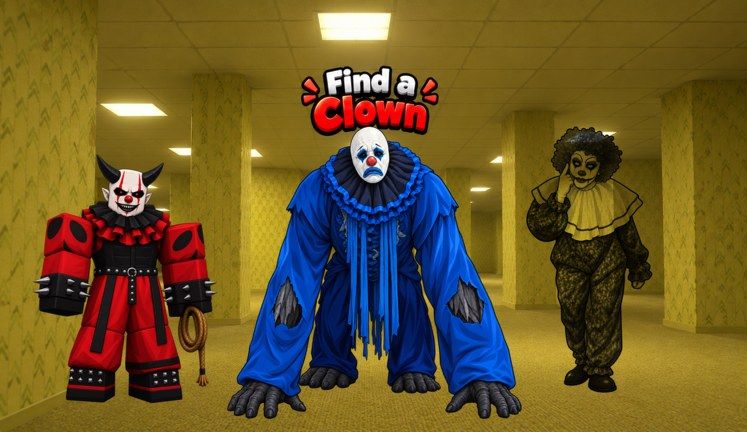
In Find The Clown, not every collectible is a small shelf clown. Animatronics are special finds—larger, themed, or staged figures that reward a different search mindset. Creator SebasDev (soysebastian092) mixes them into the same index/collection fantasy as the rest of the scavenger hunt, which means your completion percentage can stall even after a strong normal-clown run. This guide explains how to spot animatronic-style figures, where they tend to hide, and how to fold them into a full clear beside Find All Clowns and Secret Clowns.
What makes animatronics different
Normal clowns often read as compact props: costume pieces, dolls, or tiny statues tucked into everyday scenery. Animatronic finds usually telegraph a performance or stage presence—bigger silhouettes, mechanical posture, display platforms, backstage framing, or horror-mascot energy. They still count toward the same index that tracks the live title total (commonly advertised like [68], with descriptions sometimes listing a nearby count during updates). Missing only animatronics can leave you one frustrating tier below “done.”
Because they look more like set dressing, players walk past them while hunting micro clowns. Flip your brain: when you enter a stage, arcade, attraction, or themed room, do an animatronic pass before a micro-prop pass. Look for figures that feel intentionally posed, not randomly dropped.
Spotting cues that actually work
Silhouette first. From the doorway, identify humanoid or mascot outlines that are larger than shelf toys.
Platform and cable logic. Display risers, stage lips, maintenance gaps, and “employee only” vibes often frame special finds.
Color blocking. High-contrast costumes pop against dim backstage walls once you stop sprinting.
Reflection and angle. Orbit at torso height, then crouch. Animatronics hide behind curtains, cases, and partial walls where a standing sprint camera never settles.
Sound and crowd clues. In busy co-op servers (up to 16 players), temporary pile-ups near a stage are a soft tell—send one scout, not the whole lobby.
Keep Controls in mind: free camera orbits beat tunnel vision when inspecting a stage set.
Where to prioritize your animatronic pass
Use functional zones rather than brittle landmark spoilers:
- Performance spaces — stages, show floors, seating rings, and wings.
- Back-of-house — corridors behind attractions, prop storage, and utility rooms.
- Themed facades — marquees, ticket booths, and outdoor mascot displays.
- Elevated maintenance — catwalks above shows, roof access over venues, beam networks.
- Mixed secret spaces — some animatronic finds double as secret-route rewards; switch to Secret Clowns if a figure is gated.
If your index labels or community shorthand marks a missing entry as animatronic-related, do not burn another hour rechecking tiny cafe shelves. Change venue type.
Mid-article video reference
The embedded animatronics video is best used as a visual dictionary: compare how special finds are framed on stage versus how normal clowns hide in clutter. Pause when the creator changes rooms and ask what cue made the figure readable. Then recreate that cue pattern on your server without needing every step memorized.
Search routine for a dedicated animatronics session
- Screenshot your index and highlight suspected specials.
- Warm up on one performance landmark with a slow doorway silhouette scan.
- Clear backstage and wings before the public seating area.
- Check catwalks and roof access above the venue.
- Sweep outdoor marquees and poster walls connected to the attraction.
- Confirm each collect in the index before leaving the district.
- Cross off against Hard Clowns if a special is also difficulty-tagged.
- If nothing new registers, verify title-count changes via Updates and New Clowns.
This routine slots cleanly after a normal Find All Clowns sweep. Many completionists clear standards first, then run an animatronics night, then a secrets night.
Co-op tactics for special finds
Assign one pair as stage leads. Everyone else stays on micro clowns elsewhere so you do not trample sightlines. Stage leads call structure: “left wing curtain,” “catwalk center,” “behind ticket booth.” If an animatronic is contested or laggy, queue interacts instead of body-blocking the model.
Fresh eyes matter more on specials than on easy shelf clowns. Rotate spotters every ten minutes. A player who just finished Getting Started basics can still catch a mascot outline that veterans filter out as decoration.
Avoiding false positives
The map is full of clown-themed decoration that is not a collectible. Rules of thumb:
- If it never highlights or never accepts an interact, move on after one clean attempt.
- If teammates insist it is real but nobody’s index moves, you are on a prop.
- If it looks collectible but sits behind an unsolved gate, it may be secret-locked—change guides, not spam-jump.
- If only one person in the server can see or collect it, rejoin before inventing exotic bug lore.
Document real finds with a quick mental tag: venue type + height + hide style. That tag helps the next animatronic.
Difficulty and indexing
Some animatronics are easy once seen; others are hard because of camera awkwardness, parkour approaches, or dark staging. Use the Difficulty Tier List and Tier List hub to schedule them. Browse All Clowns and the wider Clown Index when you need naming consistency across the wiki.
When SebasDev ships new specials, the advertised count moves. Do not assume your old animatronics video ended the category forever—recheck Latest Update after title changes.
Supporting links
- Codes for any active rewards while you grind specials.
- Scripts only if you understand Roblox rules and personal risk.
- Official Links for the place and creator references.
- Guides Hub to jump between sibling tutorials without hunting the nav tree.
Mindset close
Animatronics punish decoration blindness. Slow down in performance spaces, trust silhouettes over sprint paths, and separate special passes from micro-clown chaos. Combine this page with the all-clowns route and the secrets guide, and the “last weird ones” stop feeling mysterious—they become another volume on your checklist.
Frequently Asked Questions
Quick answers for Find The Clown players.
What are animatronics in Find The Clown?
They are special collectible finds with a stronger stage or mascot presence than ordinary shelf clowns. They still fill the same index toward the live clown count.
Where should I look for animatronic clowns first?
Prioritize performance spaces, backstage corridors, marquees, and catwalks above venues before rechecking tiny prop piles in unrelated buildings.
Why do I keep mistaking decorations for animatronics?
The map uses clown theming heavily. If an object never collects and no index updates for anyone, treat it as set dressing and move on.
Should I hunt animatronics before normal clowns?
Most players clear standard finds first, then run a dedicated animatronics pass, then secrets. Mix them earlier only if your index clearly marks specials as missing.
Do new updates add more animatronic finds?
They can. When the Roblox title count rises, check New Clowns and Latest Update before assuming your animatronics category is finished.